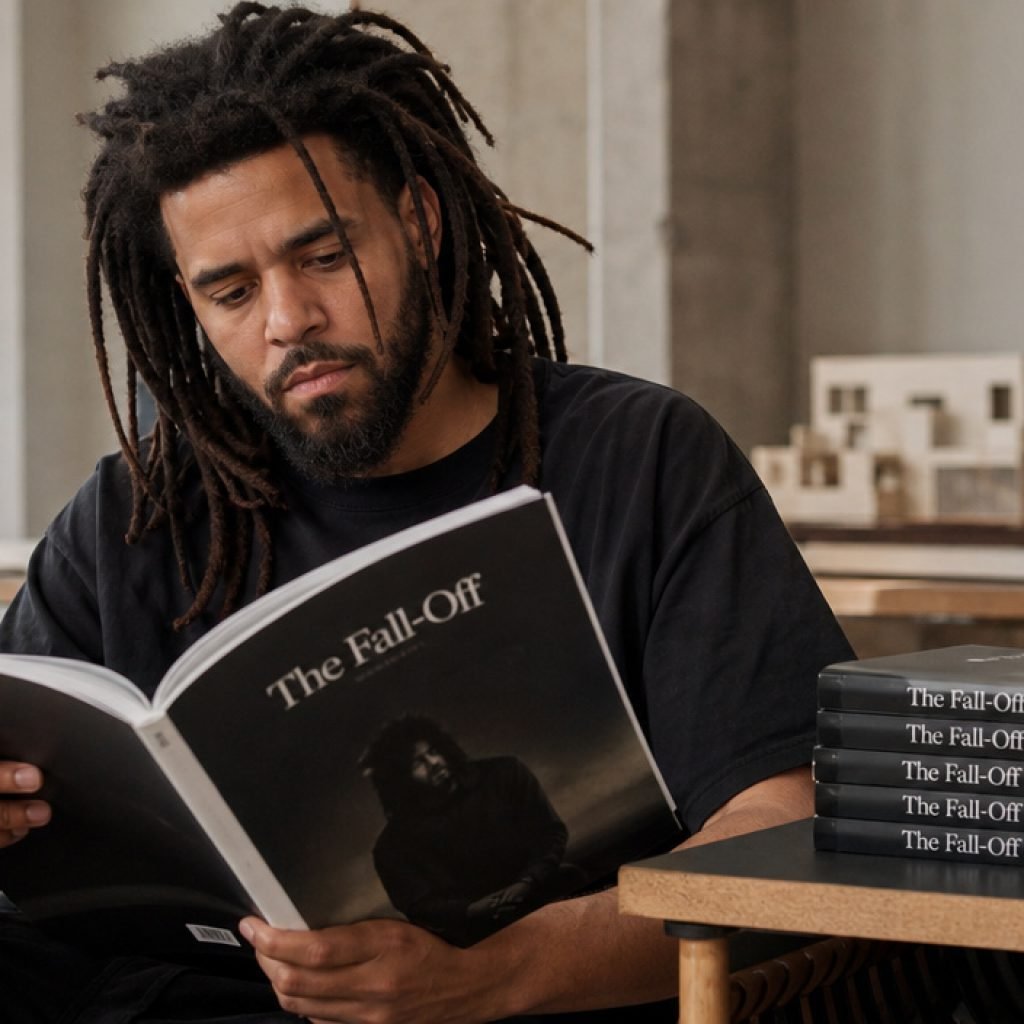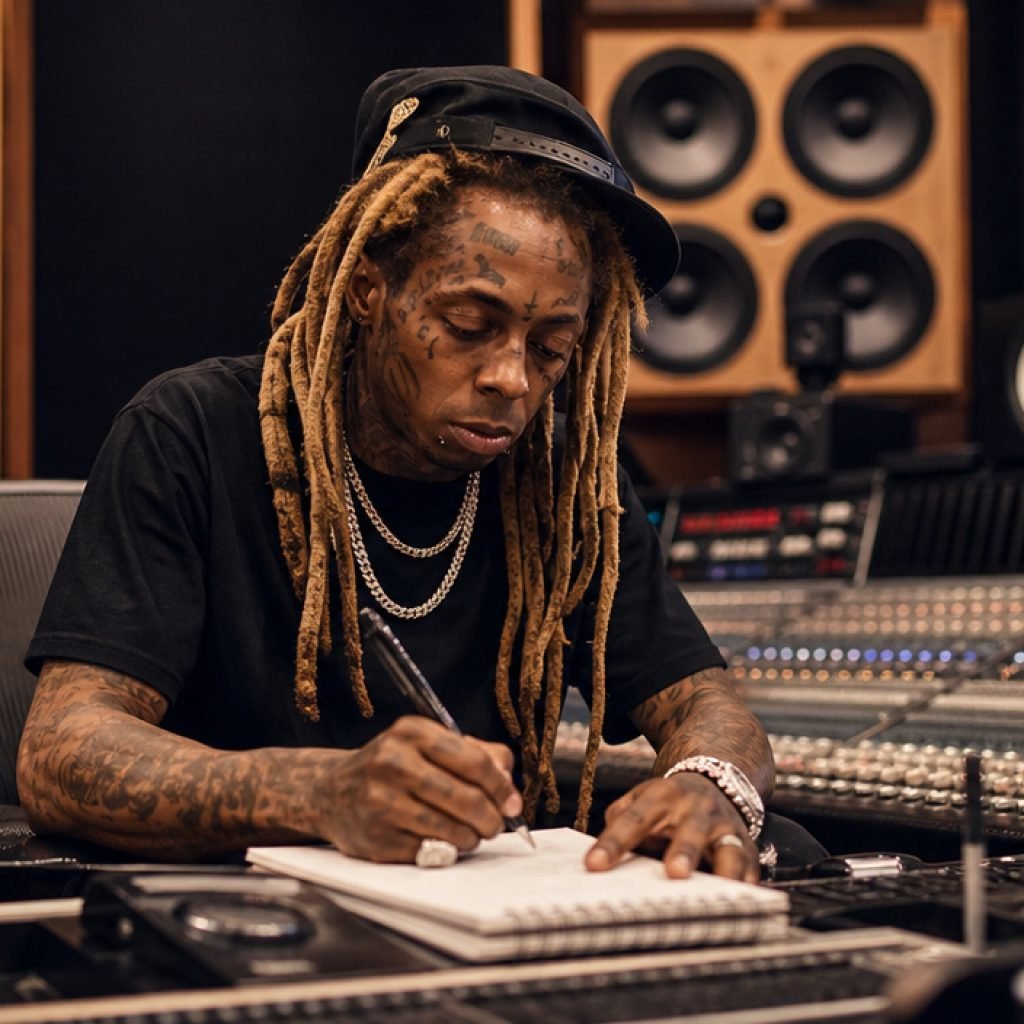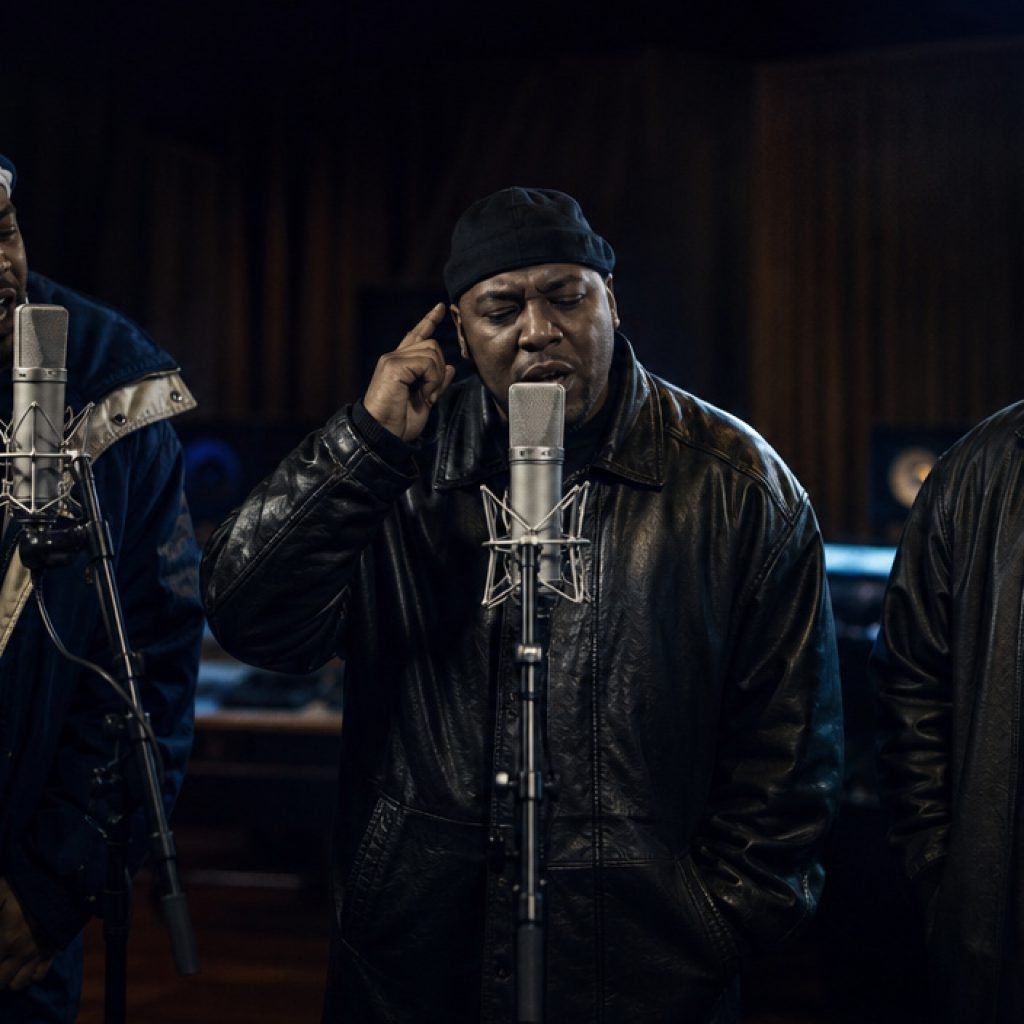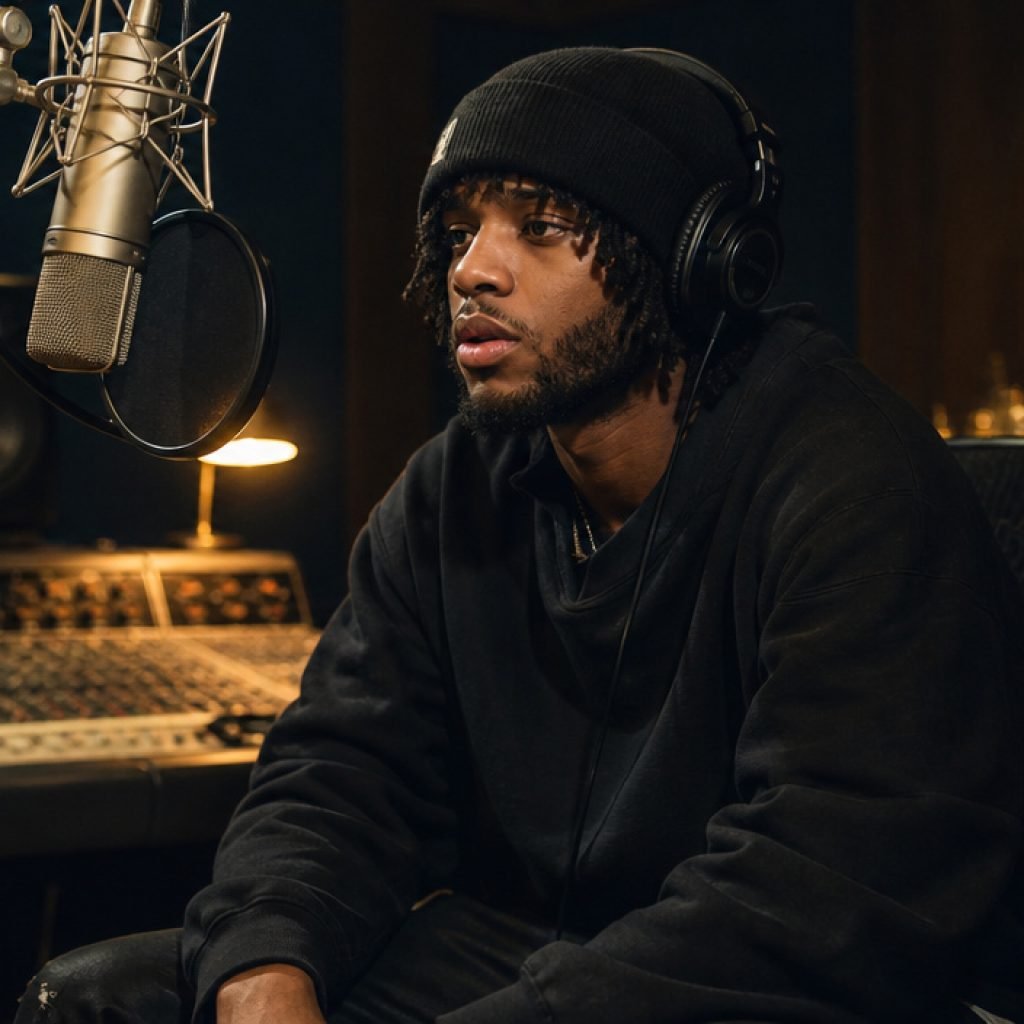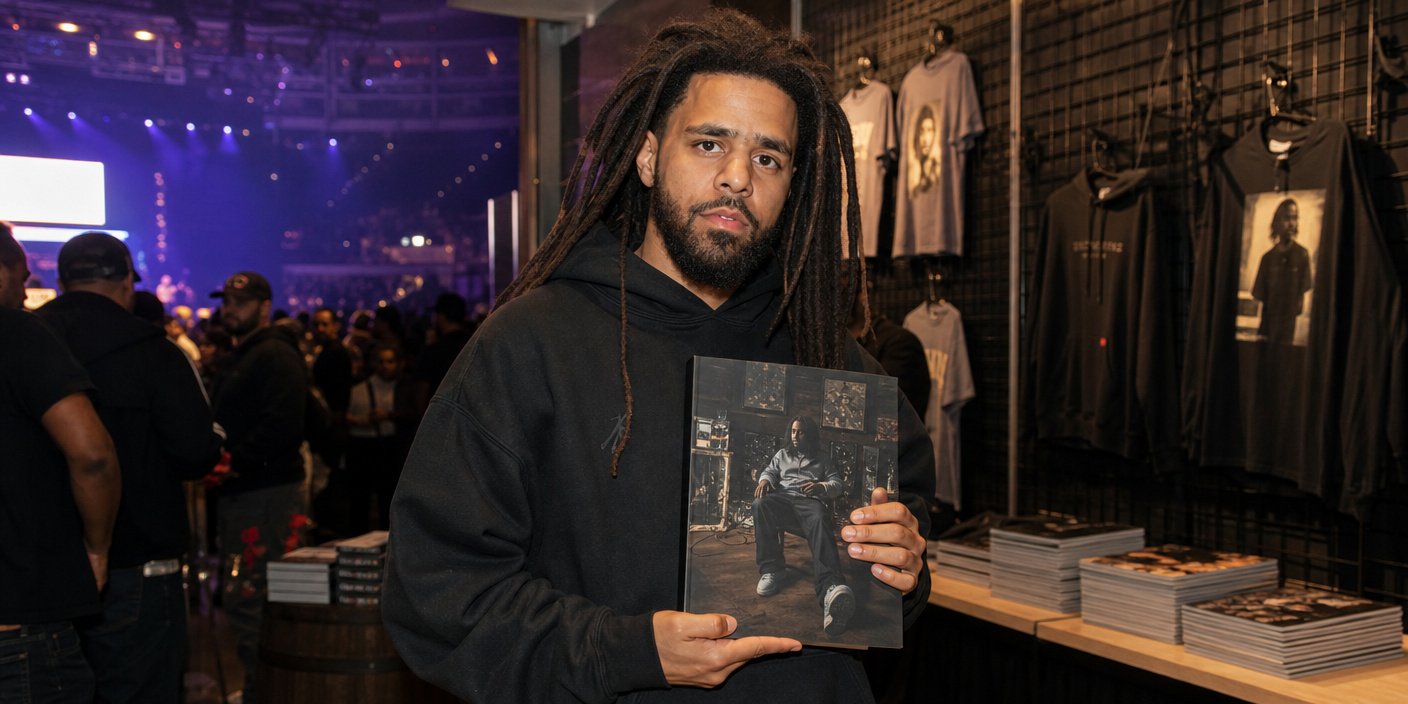
In a digital-first era where content is fleeting and attention spans are narrowing, J. Cole has made a bold, tactile move by launching ‘The Fall-Off Magazine,’ a 144-page, limited-edition print publication. This isn’t merely tour merchandise; it is a meticulously curated tribute to hip-hop journalism and culture. By opting for a physical medium, Cole is reclaiming the deliberate pace of music discourse, inviting fans to slow down and engage with the craft behind the curtain during his current world tour.
Key Highlights
- Exclusive Access: The 144-page magazine features deep-dive interviews with heavyweights like Lauryn Hill, GloRilla, J.I.D, and Larry June.
- Artistic Collaboration: The project includes contributions from over 60 creatives, ranging from photographers to writers, emphasizing a community-driven approach.
- Cultural Preservation: The publication serves as a love letter to the ‘golden age’ of hip-hop journalism, seeking to elevate the quality of music writing.
- Tour Integration: The magazine’s release is strategically timed with J. Cole’s latest world tour, creating a tangible physical asset for fans at live venues.
The Resurgence of Print in the Digital Age
The decision to release ‘The Fall-Off Magazine’ arrives at a curious moment in the music industry. As streaming platforms and social media clips dominate how audiences consume music, the depth of long-form, physical journalism has suffered. J. Cole, known for his introspective approach and lyrical dexterity, appears to be using this publication as a corrective measure. By investing in a high-production-value physical object, he is challenging the idea that music discovery should be restricted to scrolling feeds.
Reclaiming the Narrative
Historically, publications like The Source, XXL, and Vibe were the gatekeepers of hip-hop culture. They provided the essential context that allowed listeners to understand the nuances of an artist’s vision. With the decline of these print titans, much of that cultural record has moved to ephemeral blog posts and YouTube essays. ‘The Fall-Off Magazine’ seeks to fill this void by offering a curated, permanent record of the artists currently defining the soundscape. This move aligns with Cole’s broader career trajectory—prioritizing substance and longevity over viral trends.
Curating the ‘Fall-Off’ Experience
At 144 pages, the magazine is a significant undertaking. The choice of interviewees serves as a testament to the scope of the project. Featuring the legendary Lauryn Hill alongside the rising force of GloRilla, and the distinct musicality of J.I.D and Larry June, Cole is building a bridge between generations. This isn’t just about cross-promoting artists; it is about establishing a lineage. By juxtaposing established icons with modern disruptors, the magazine situates contemporary hip-hop within a larger, historical framework, effectively arguing for the validity and evolution of the genre.
The Collaborative Spirit
One of the most impressive aspects of this launch is the scale of collaboration. Recruiting over 60 creatives highlights that this is not a solo endeavor but a communal exercise. Photography, graphic design, and literary journalism come together to create an aesthetic that is unmistakably rooted in ‘The Fall-Off’ ethos—a concept that has loomed over Cole’s career for years. By decentralizing the project and inviting a diverse range of voices to contribute, Cole ensures that the magazine feels like a movement rather than a brand extension.
Strategic Timing and Economic Impact
The timing of the release, coinciding with his world tour, is a masterclass in modern music marketing. For many fans, concert merchandise has historically been limited to screen-printed t-shirts and hoodies. By introducing a premium print publication, Cole is raising the bar for what fans should expect from artist-led merchandise. It transforms the purchase from a souvenir into a collectible cultural asset, likely driving higher engagement and perceived value among his core demographic.
The Future of Artist-Led Media
‘The Fall-Off Magazine’ poses an interesting question: Is the future of music journalism actually the artist themselves? As media outlets face shrinking budgets and consolidation, artists are increasingly finding that they have more power and better access than traditional journalists. By controlling the medium, the editorial voice, and the aesthetic, J. Cole is essentially turning his own brand into a publishing house. Whether this becomes a trend for other top-tier artists remains to be seen, but it certainly sets a high bar for excellence.
FAQ: People Also Ask
1. Can I buy ‘The Fall-Off Magazine’ online?
Currently, the magazine is tied heavily to the tour experience, though limited quantities are expected to be available for fans unable to attend shows. Check official channels for drop schedules.
2. Is this the only magazine J. Cole plans to release?
While specific future plans aren’t confirmed, the scale of this 144-page production suggests that this is a significant pillar of the ‘Fall-Off’ era rather than a one-off experimental project.
3. Why did J. Cole choose to release a physical print magazine?
Cole has stated this is a tribute to the legacy of hip-hop journalism. The physical format serves as an intentional antithesis to the fast-paced, disposable nature of modern digital music discovery.
4. Who is featured in the magazine?
It features interviews and contributions from over 60 creatives, with confirmed interviews including Lauryn Hill, GloRilla, J.I.D, and Larry June.