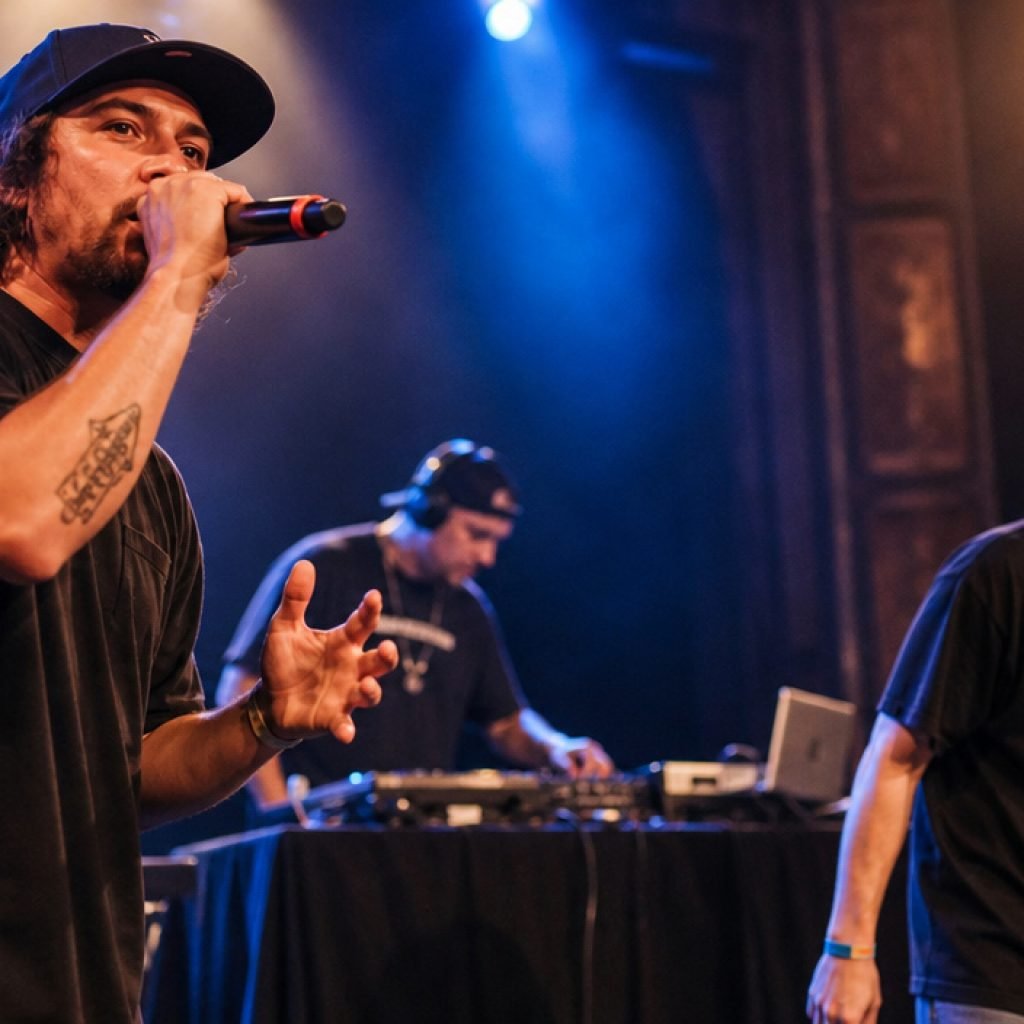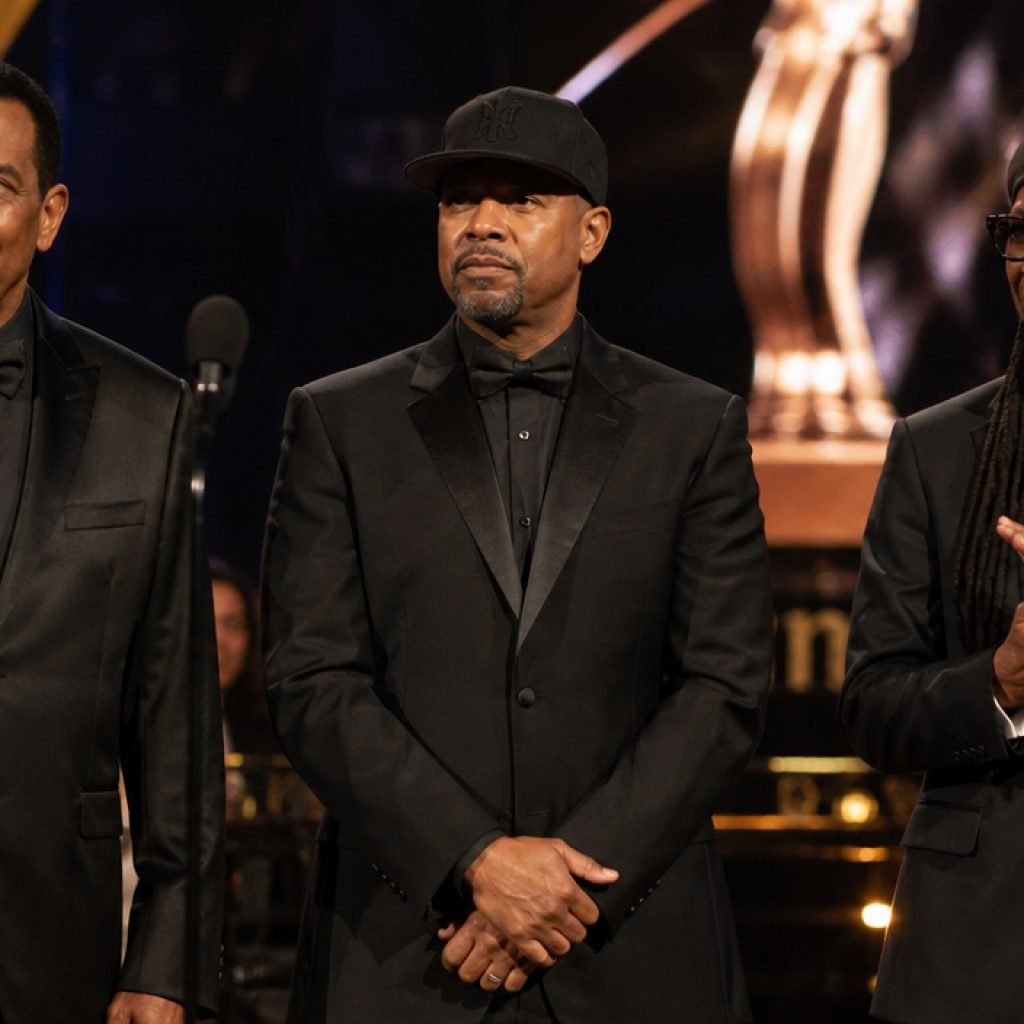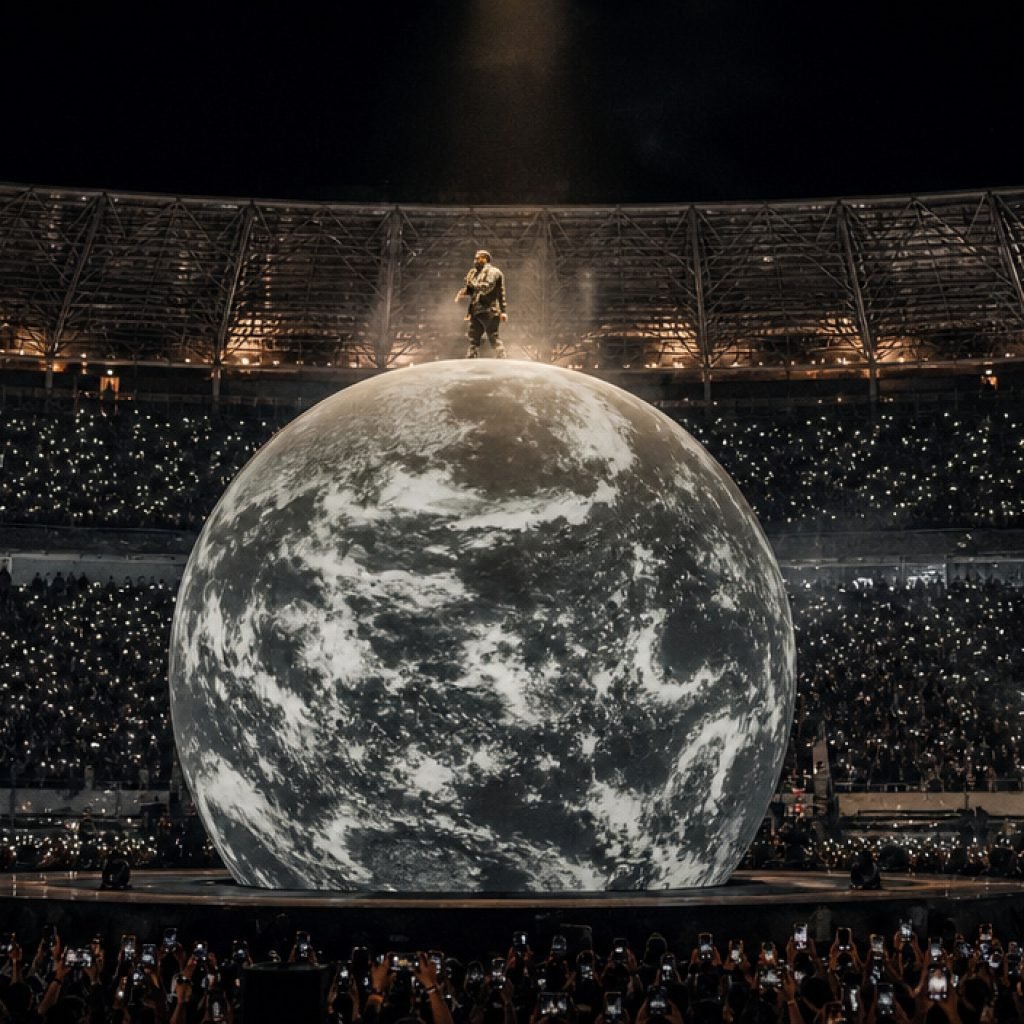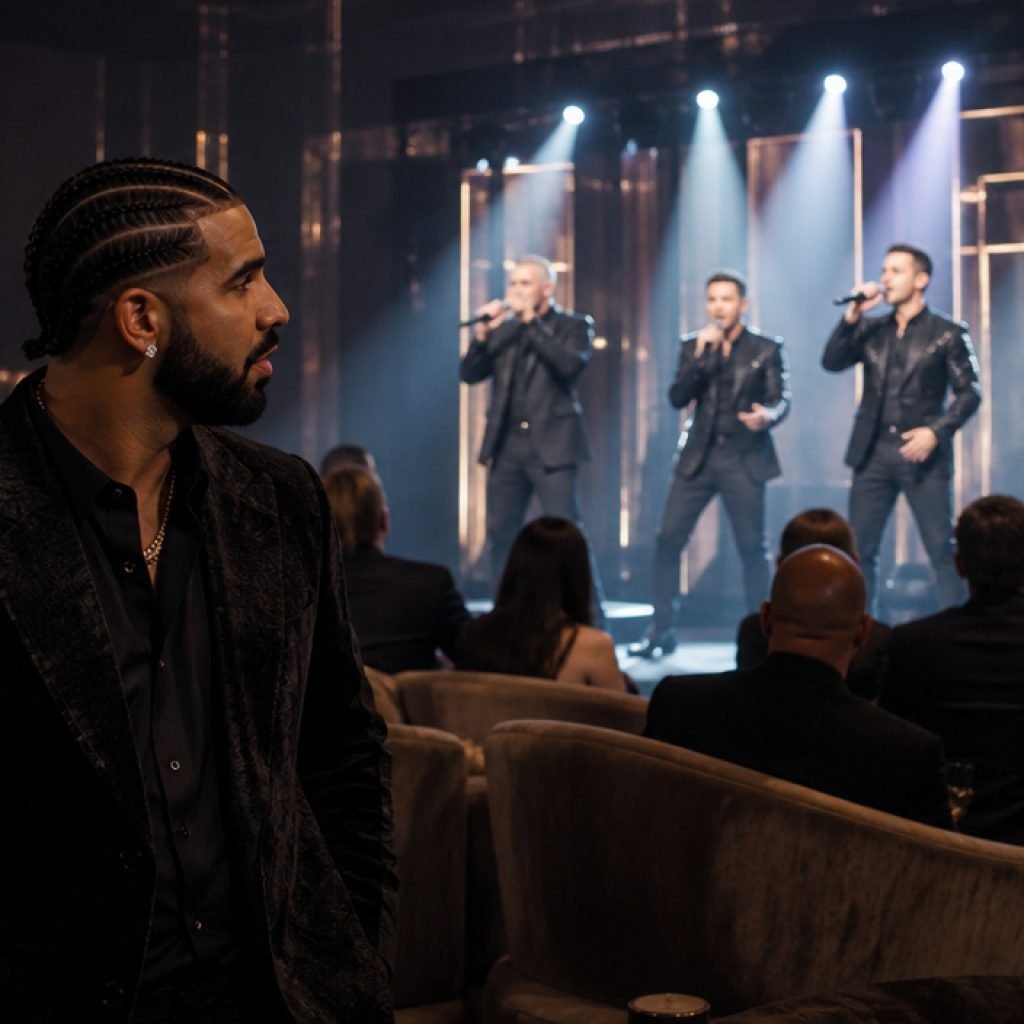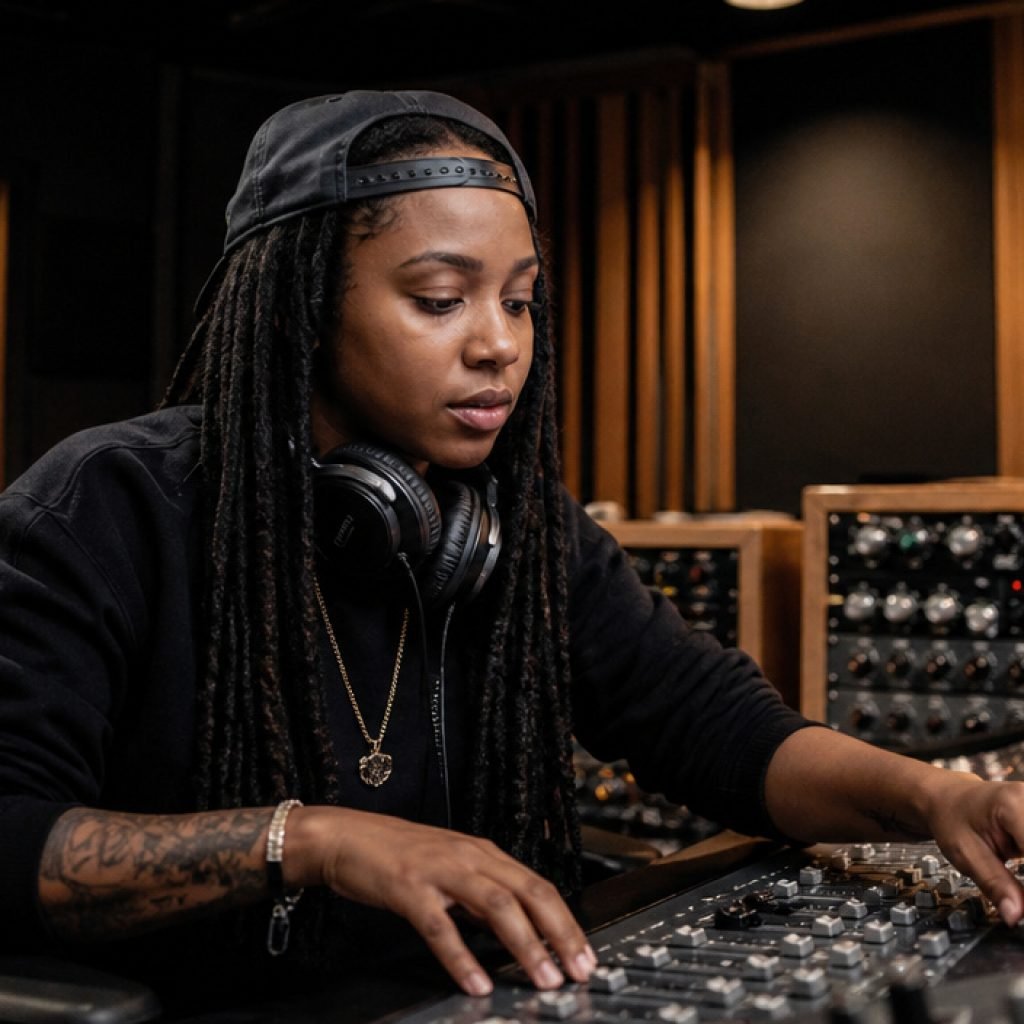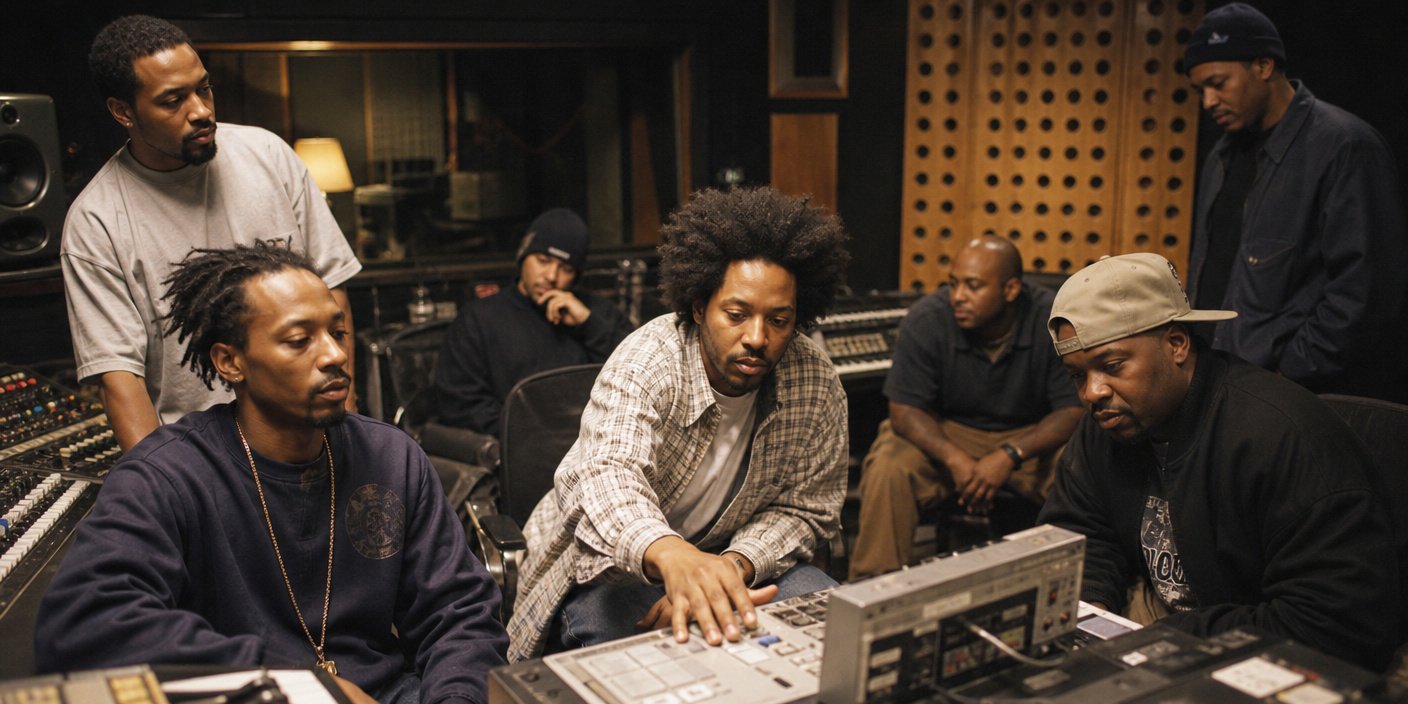
The Hieroglyphics collective, hailing from Oakland, California, stands as one of the most influential entities in the history of alternative hip-hop. Emerging from the underground scene in the early 1990s, the group—comprised of Del the Funky Homosapien, Souls of Mischief (A-Plus, Opio, Phesto, and Tajai), Casual, Pep Love, and producers Domino and Jay-Biz—did more than just release music; they established a blueprint for independent artist autonomy that continues to resonate today. When analyzing their career arc, it becomes clear that “all said and done,” the Hieroglyphics are not merely a rap group but a pivotal architectural force in the evolution of independent music.
The Architects of the Alternative Sound
The genesis of Hieroglyphics is inextricably linked to the rapid innovation of 1990s West Coast hip-hop. While the mainstream media was largely fixated on the burgeoning G-funk and gangsta rap movements dominating Los Angeles, the Hieroglyphics crew was cultivating a distinct aesthetic in the Bay Area. This aesthetic favored complex internal rhyme schemes, jazzy, sample-heavy production, and a lyrical focus that explored introspective, abstract, and often humorous themes.
Their breakout moment, cemented by the 1993 release of Souls of Mischief’s 93 ’til Infinity, provided the collective with the cultural capital to expand. The title track remains a quintessential anthem of the era, showcasing a smooth, melodic flow that contrasted sharply with the aggressive sounds coming out of other major music hubs. This was the moment the world realized that Oakland possessed a unique sonic identity, one that prioritized intellectual curiosity and musical dexterity over shock value.
Hieroglyphics Imperium: A Masterclass in Independence
Perhaps the most significant contribution the Hieroglyphics made to the music industry was the formation of Hieroglyphics Imperium in 1997. In an era where major label contracts often stripped artists of their creative control and financial ownership, the Hieroglyphics took the unprecedented step of establishing their own distribution and management entity. This was a radical business move. By cutting out the middleman, the collective was able to retain full rights to their masters, merchandise, and touring revenue.
This model predicted the current state of the music industry by nearly two decades. Today, the “independent” moniker is a badge of honor, but in the late 90s, it was a high-risk gamble. The release of 3rd Eye Vision in 1998 served as the collective’s manifesto. It proved that a group of artists could maintain artistic integrity while successfully navigating the logistical demands of running a record label. For young artists today, the Hieroglyphics Imperium serves as a case study in long-term sustainability.
The “All Said & Done” Legacy: Beyond the Music
When we look at the collective’s discography, from the solo genius of Del the Funky Homosapien to the group chemistry found in their collective works, the consistency is staggering. Their impact isn’t just measured in units sold, but in the stylistic DNA they passed down to subsequent generations. Modern alternative rappers, who prioritize lyricism and unconventional beats, owe a debt of gratitude to the Hieroglyphics.
However, it is their longevity that remains the most impressive statistic. Navigating the music industry as a collective for over 30 years is statistically improbable. The ability of these artists to mature, evolve their sound, and maintain a dedicated, global fanbase without bowing to industry trends is a testament to their founding philosophy: loyalty to the craft and to each other. They didn’t just chase hits; they built a movement that valued the culture of hip-hop above the commerce of it.
Defining the Oakland Sound
The Bay Area has always been a microcosm of innovation, but the Hieroglyphics helped solidify it as a legitimate center for creative resistance. Their influence expanded beyond the music itself, affecting fashion, art, and the way independent artists interact with their fans. From the iconic three-eye logo, which is instantly recognizable to any fan of 90s hip-hop, to their early embrace of the internet to connect with fans, they were true pioneers. Their legacy is not static; it is an ongoing narrative of adaptation and resilience that continues to serve as a beacon for any artist attempting to forge their own path in a saturated market.
FAQ: People Also Ask
Who are the founding members of Hieroglyphics?
The collective consists of Del the Funky Homosapien, Casual, Pep Love, the group Souls of Mischief (A-Plus, Opio, Phesto, and Tajai), and producers Domino and Jay-Biz.
Why is the Hieroglyphics Imperium important?
It was one of the first successful independent record labels founded and operated entirely by the artists, allowing them to retain full ownership of their master recordings and creative direction in an era dominated by major label contracts.
What is considered their most influential album?
While 93 ’til Infinity (by Souls of Mischief) is their most commercially recognized release, 3rd Eye Vision (1998) is widely considered the definitive project that showcased the collective’s combined talent and set the standard for their label.
Are the Hieroglyphics still active today?
Yes, the collective remains active, regularly touring and releasing projects, proving that their independent business model has allowed them to survive and thrive long after their initial 90s peak.