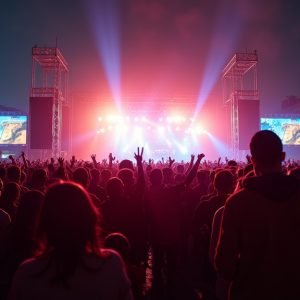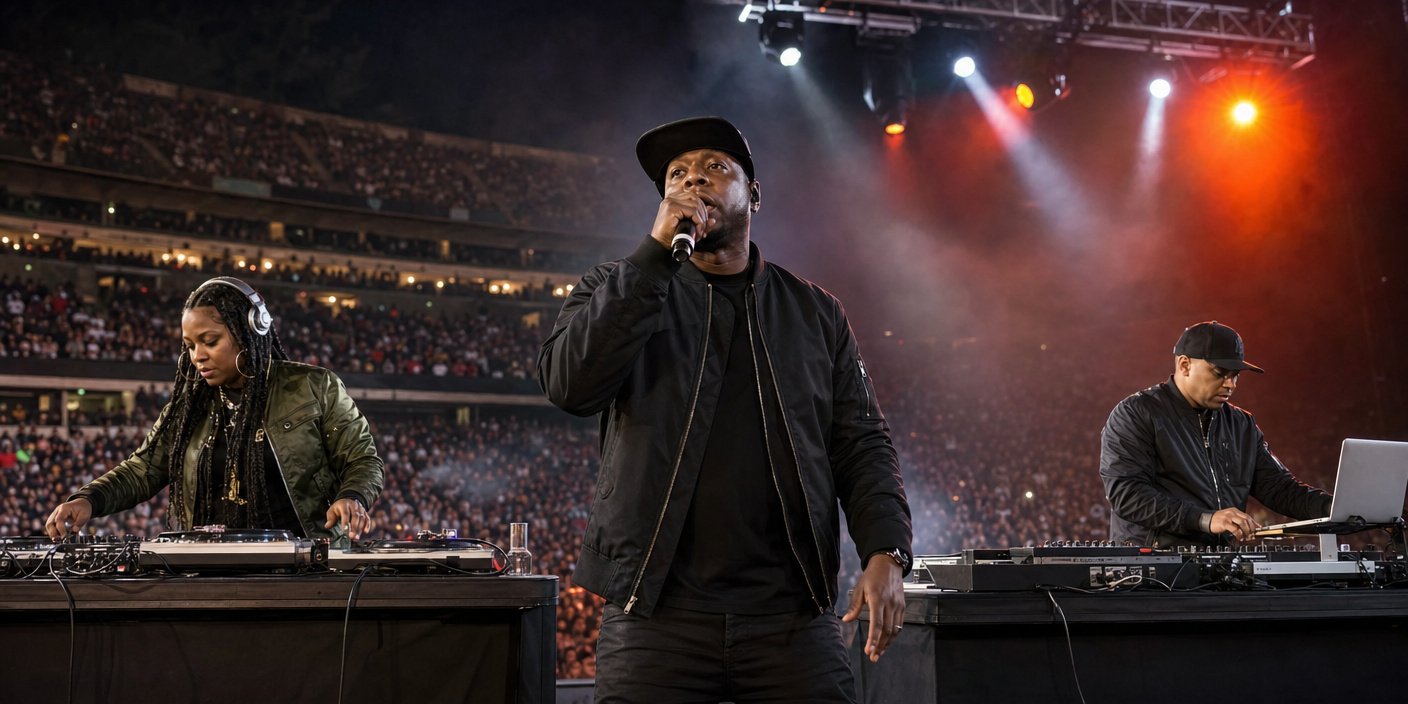
The annual Cincinnati Music Festival (CMF) has officially descended upon the city, transforming Paycor Stadium into the epicenter of the American music scene this weekend. As the festival enters its latest iteration, the focus is squarely on a bridge between generations, marked by a highly anticipated ‘Tribute to Hip Hop Music’ that headlines the opening night. With the venue itself undergoing significant modernization efforts, this year’s festival represents a fusion of long-standing musical tradition and the evolving logistical standards of major metropolitan entertainment hubs.
Key Highlights
- Headlining Cultural Tribute: The opening night features a curated ‘Tribute to Hip Hop Music’ with performances from icons Talib Kweli, DJ Spinderella, and Hi-Tek.
- Venue Integration: The event is hosted at Paycor Stadium, which has recently received facility enhancements to improve acoustics, fan accessibility, and luxury hospitality standards.
- Economic Catalyst: As one of the largest multicultural music festivals in the Midwest, the event serves as a primary economic driver for The Banks district and greater Downtown Cincinnati.
- Modern Logistical Standards: The stadium transition includes updated clear bag policies and streamlined digital ticketing protocols to manage the influx of thousands of attendees.
The Resurgence of the Cincinnati Music Festival
The Cincinnati Music Festival, a staple in the Midwest cultural calendar for decades, has consistently served as more than just a series of concerts; it is a pilgrimage for lovers of R&B, jazz, and soul. However, the decision to dedicate the opening night of the 2024 iteration specifically to a ‘Tribute to Hip Hop Music’ signals a strategic pivot to embrace the broader evolution of urban music.
The Artists Driving the Narrative
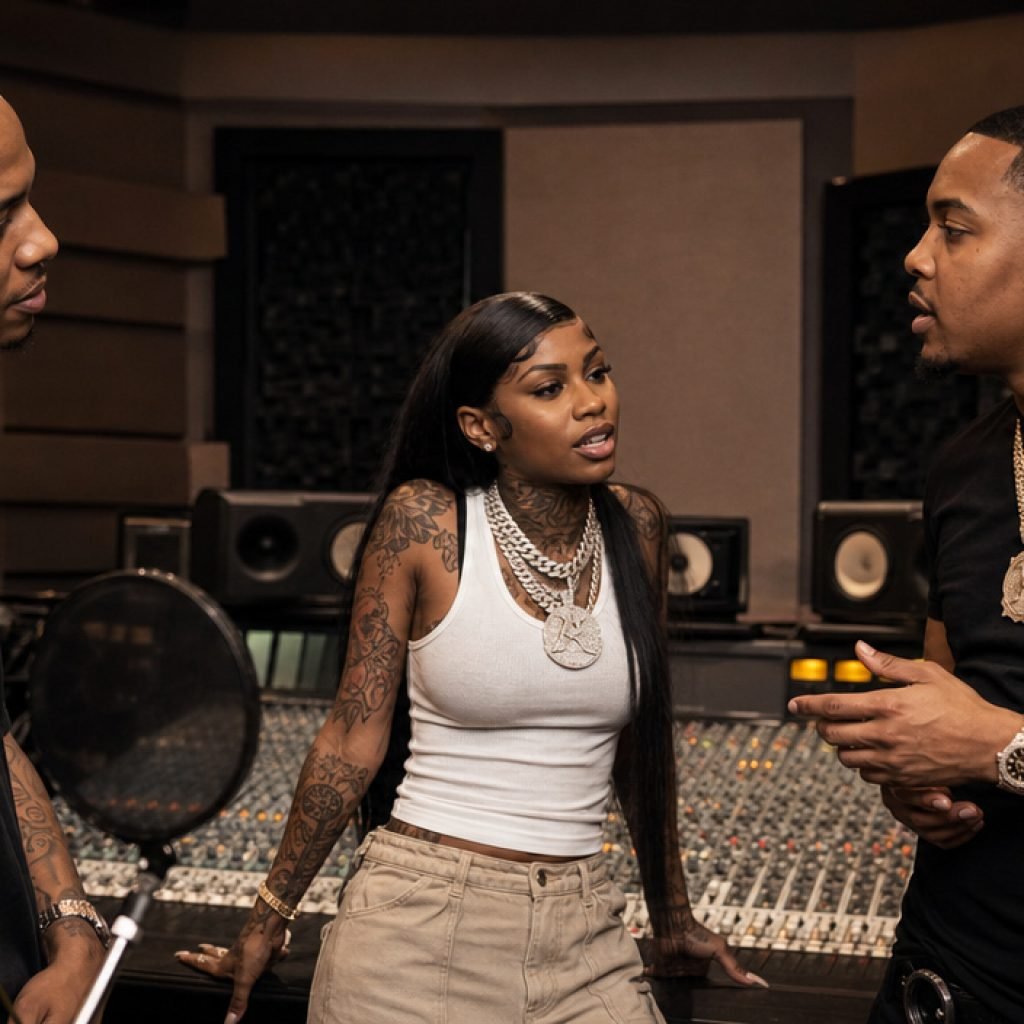
The inclusion of Talib Kweli, DJ Spinderella, and Hi-Tek is not merely a booking decision; it is a masterclass in curation. Talib Kweli, known for his lyrical complexity and socially conscious rap, brings an intellectual weight to the stage. DJ Spinderella, a pioneer for women in Hip Hop and a legend of the Salt-N-Pepa era, provides the foundational scratch and rhythm that defines the Golden Age of the genre. Hi-Tek, a Cincinnati native and prolific producer, provides the crucial local connection, anchoring the performance in the specific soil of the region. Together, these artists offer a comprehensive look at the genre’s history, bridging the gap between underground authenticity and mainstream stadium appeal.
Paycor Stadium: The New Standard for Sound
For years, the challenge of hosting major music festivals in NFL stadiums has been acoustic fidelity. Historically, football venues are designed for crowd noise and PA systems suited for announcements, not necessarily the nuanced soundscapes required by Hip Hop and R&B. Recent renovations at Paycor Stadium have aimed to change this dynamic.
The stadium’s updated infrastructure includes enhanced audio-visual mounting points and acoustic dampening configurations that allow sound engineers to mitigate the natural echo of the concrete bowl. Beyond acoustics, the ‘new’ Paycor experience focuses heavily on the fan journey. The integration of modern hospitality suites and the reconfigured ‘tunnel club’ spaces allows the festival to offer a premium tier of concert-going that wasn’t previously possible. This shift effectively rebrands Paycor from a seasonal football facility into a year-round entertainment destination, capable of hosting high-production-value events without compromising on comfort.
The Economic Impact on The Banks
The festival’s footprint extends far beyond the stadium walls. The Banks, the area located between Paycor Stadium and Great American Ball Park, serves as the primary spillover zone for festival-goers. Local business owners report that the festival weekend is routinely one of the highest-revenue periods of the year, rivaling the impact of major Bengals home games. Hotels within a five-mile radius of the riverfront are consistently at 90-100% capacity during the festival dates, necessitating long-term event planning by city officials to manage traffic, public transportation, and safety protocols.
Historical Context: From Jazz to Hip Hop
To understand the magnitude of this year’s festival, one must look at its lineage. Originally established decades ago as the Coors Light Festival, the event was a sanctuary for jazz and traditional R&B. Over time, as the musical landscape shifted, so did the festival’s programming. The transition to include Hip Hop was met with skepticism in the early 2000s, but the sustained success of these lineups has proven that the audience for this festival is dynamic. By honoring the roots of the music while leaning into the ‘Golden Era’ of Hip Hop with this year’s tribute, the organizers are effectively satisfying both the long-term, older demographics and the newer, younger fan base.
FAQ: People Also Ask
Is the clear bag policy strictly enforced at Paycor Stadium for the Music Festival?
Yes. The festival strictly adheres to the stadium’s clear bag policy. Attendees must use clear plastic, vinyl, or PVC bags that do not exceed 12″ x 6″ x 12″. Small clutch bags are permitted, but strict security measures are in place to ensure rapid entry.
Where is the best place to park for the festival?
There are several parking garages surrounding The Banks, including the Lot E and Lot D garages. However, these fill up early. Attendees are encouraged to utilize the streetcar (the Cincinnati Bell Connector) if staying in the Over-the-Rhine or Central Business District areas.
Are there VIP packages available for the festival?
Yes, the recent renovations at Paycor have allowed for the expansion of VIP and premium hospitality packages. These often include dedicated fast-pass entry, access to climate-controlled lounges, and private concessions, which can be purchased through the festival’s official ticketing partner.
How has the festival changed since its early years?
While the festival has maintained its focus on urban culture, the move from smaller venues to the massive Paycor Stadium infrastructure has required a shift from a ‘community concert’ feel to a ‘major production’ feel, incorporating advanced lighting, stage effects, and complex logistical planning.