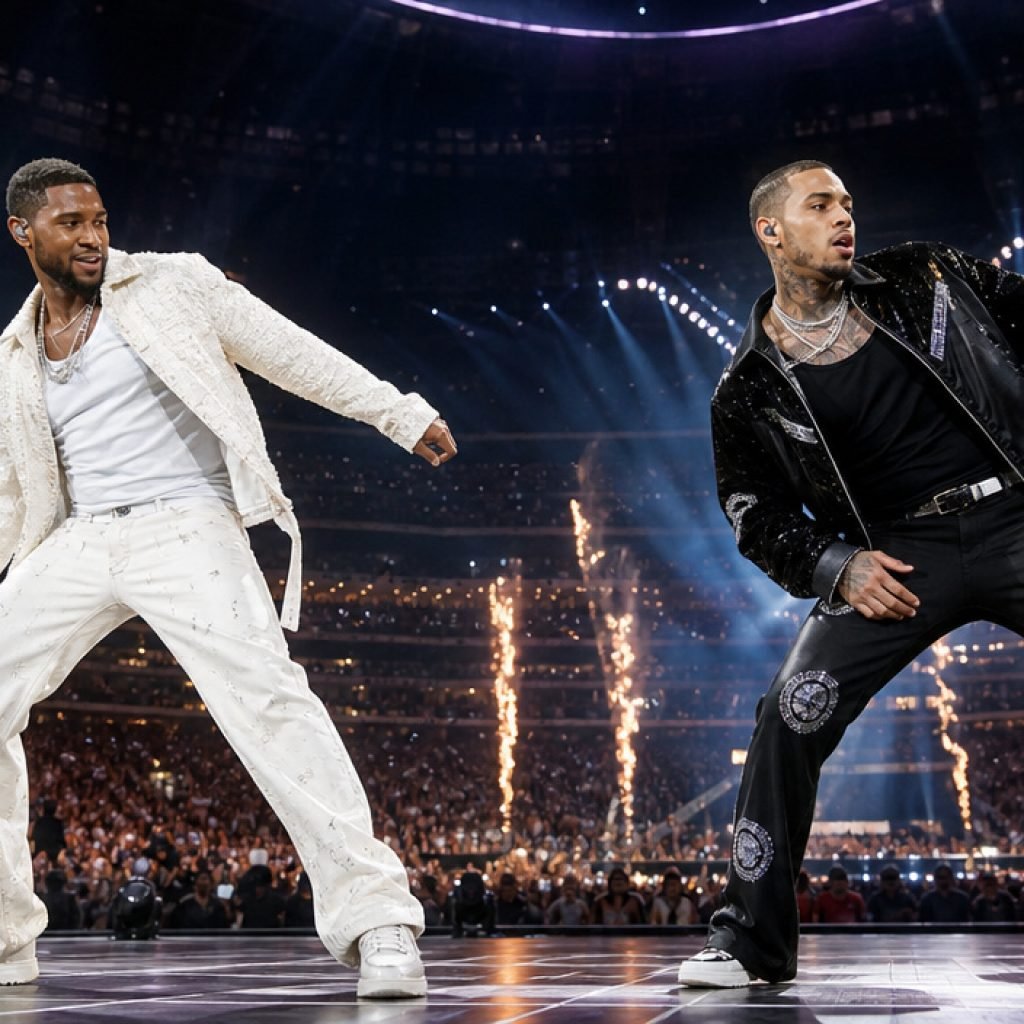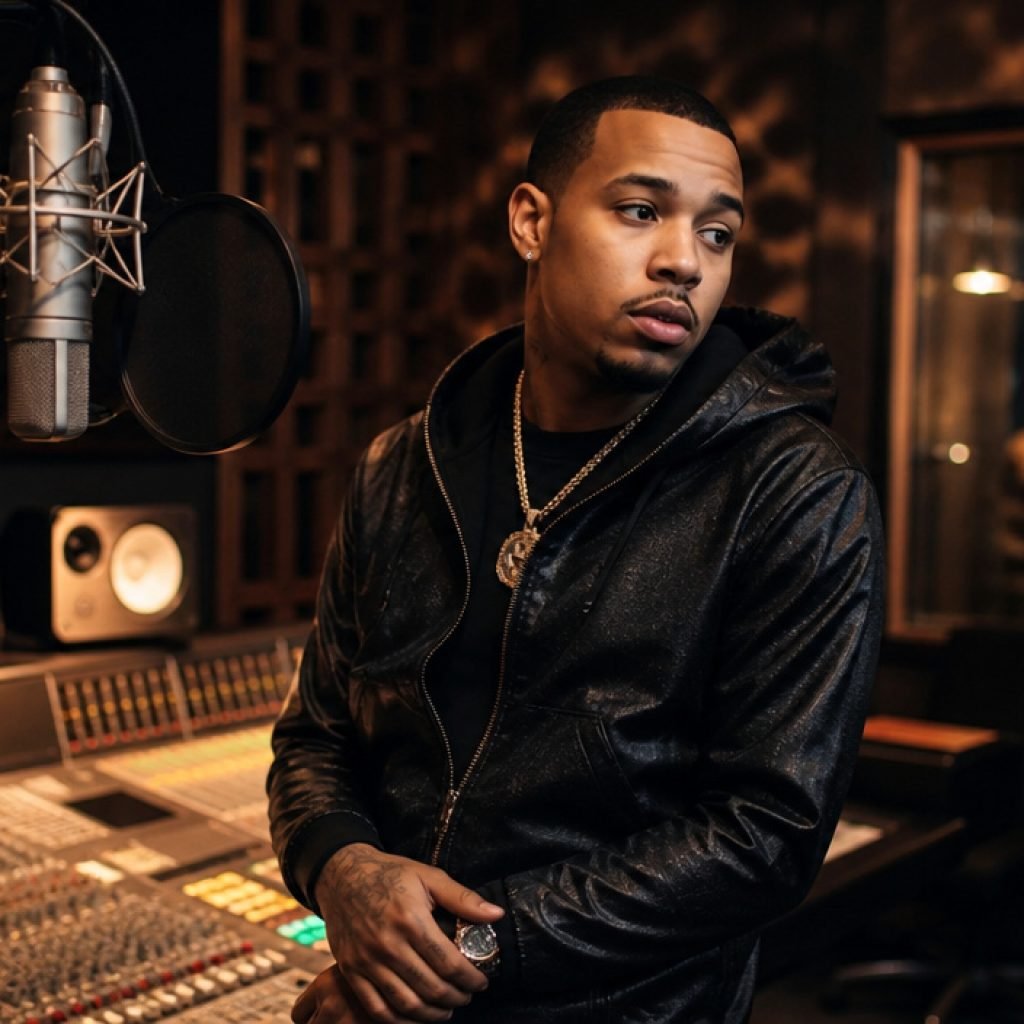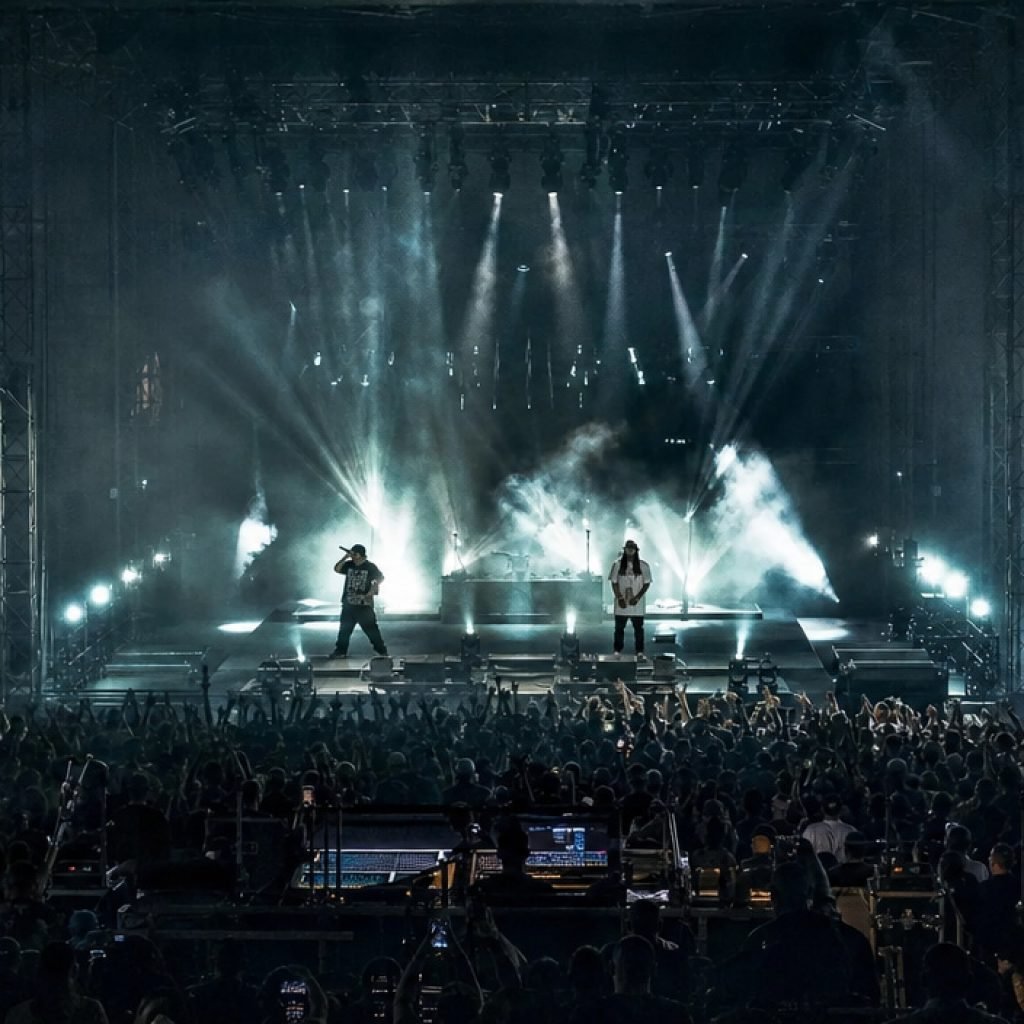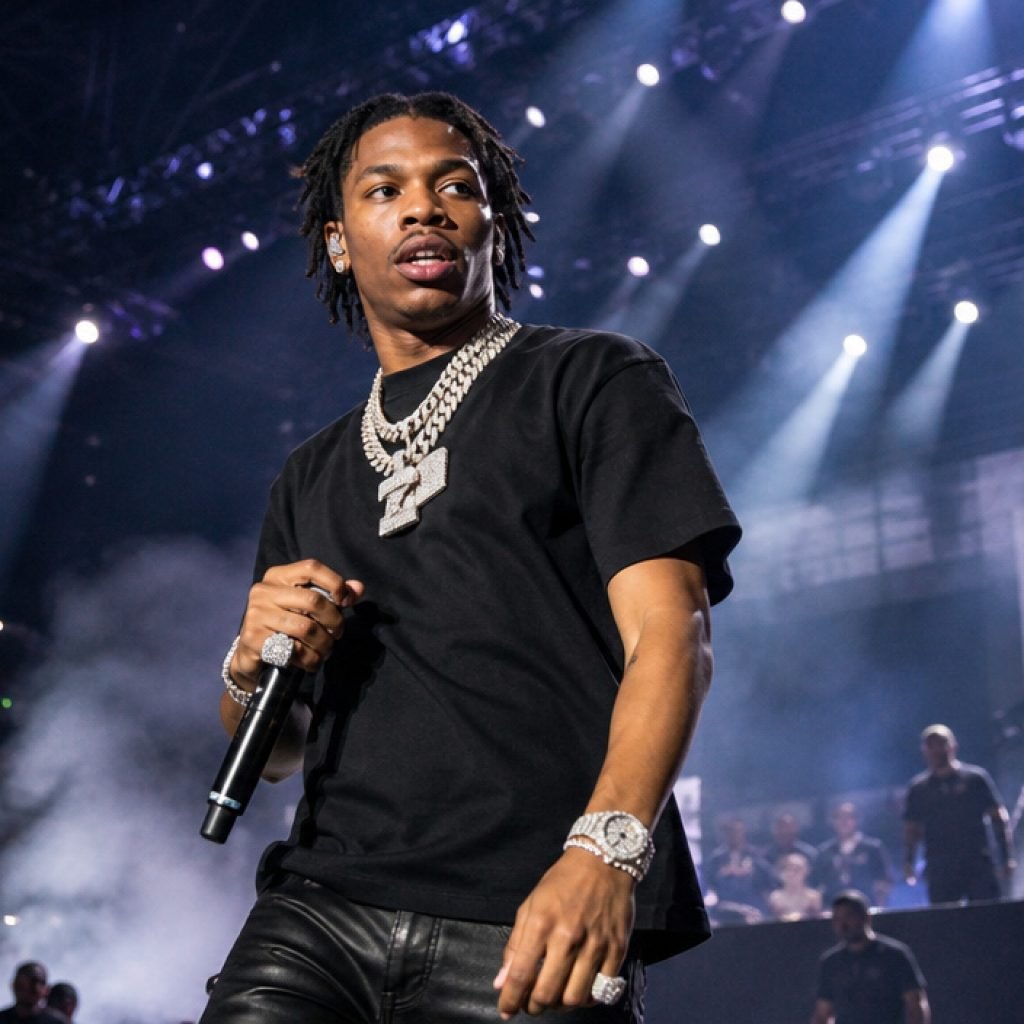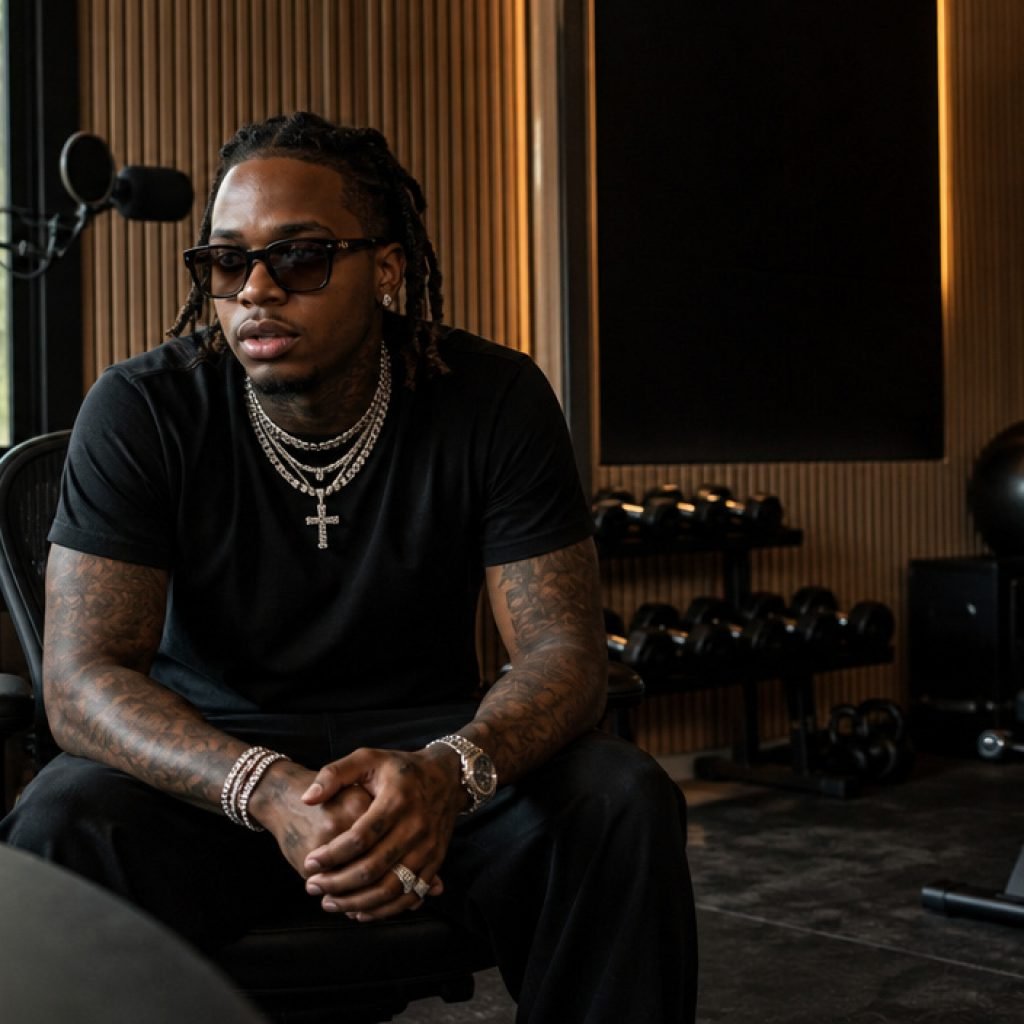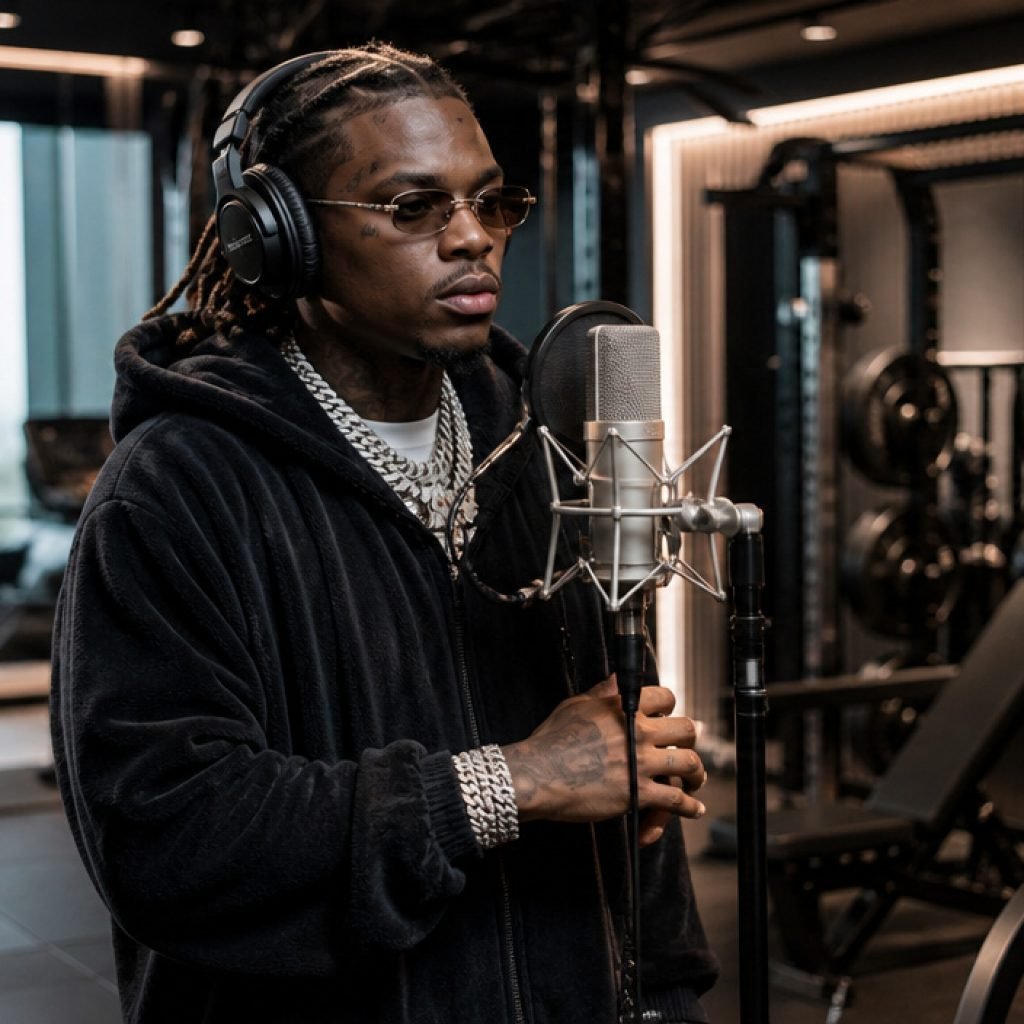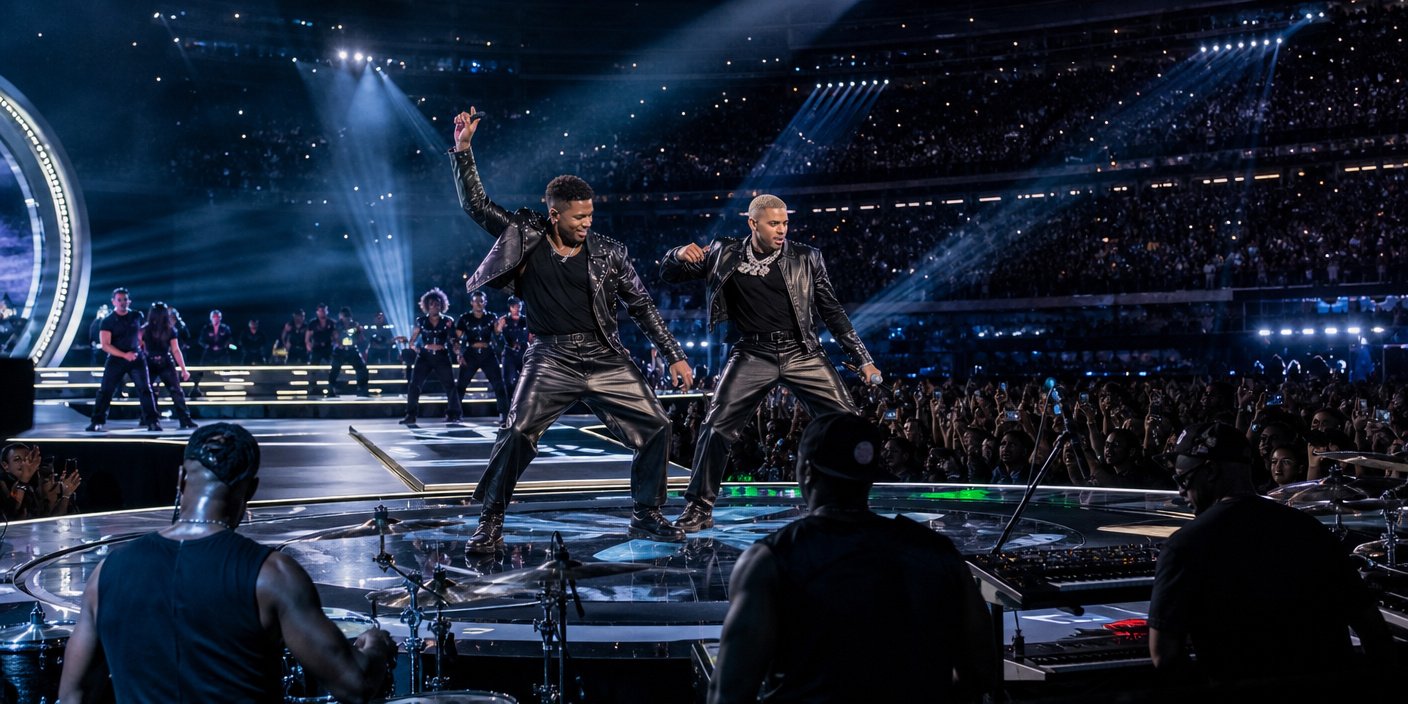
Usher and Chris Brown are officially capitalizing on the historic momentum of their co-headlining ‘The R&B Tour,’ announcing an expansion that adds eight new stadium dates to their itinerary. Following an initial run that defied industry expectations and solidified the massive commercial viability of the R&B genre in the modern stadium circuit, the decision to extend the tour comes as little surprise to music industry analysts. With a reported gross exceeding $101 million and a staggering 566,000 tickets sold during the first leg, the duo has effectively set a new benchmark for legacy and contemporary R&B collaborations in the live music space.
Key Highlights
- Eight additional stadium dates added to ‘The R&B Tour’ following high demand.
- The tour has generated over $101 million in gross revenue to date.
- Total ticket sales have reached 566,000 across the initial run.
- Historic attendance records were shattered in major markets including Detroit and Washington, D.C.
The Commercial Dominance of The R&B Tour
The success of this tour is not merely a product of celebrity star power; it is a masterclass in modern stadium logistics and demographic targeting. By pairing two titans of the industry—Usher, the perennial showman with a catalog spanning decades, and Chris Brown, a powerhouse of contemporary dance and R&B—the organizers have successfully captured a multi-generational audience. The $101 million gross figure serves as a potent indicator of the R&B genre’s resilience. In an era often dominated by pop and hip-hop, the ability of an R&B-focused production to secure massive stadium venues—typically reserved for the world’s largest acts like Taylor Swift or Beyoncé—demonstrates a significant shift in market demand.
Analyzing the Financial Velocity
Ticket demand for the initial leg of the tour saw unprecedented velocity, with sell-outs in major markets occurring within hours of the public on-sale. This velocity is directly correlated to the production value. Unlike standard concert setups, ‘The R&B Tour’ has been lauded for its high-concept stage design and intricate choreography, which justifies the premium stadium ticket pricing. The 566,000 tickets sold thus far represent a cross-section of the listening public, ranging from fans who grew up during Usher’s Confessions era to newer listeners brought in by Chris Brown’s recent chart-topping hits. This crossover appeal is the engine driving the tour’s economic performance.
Historic Market Performance
Perhaps the most compelling metric from the tour’s inaugural run is the performance in secondary markets. The report of historic attendance records in Detroit and Washington, D.C. highlights that the appetite for this specific tour is not confined to the traditional entertainment hubs of Los Angeles or New York. The capacity to pack stadiums in the Midwest and the Capital region indicates a widespread national reach that few other tour packages have achieved this year. For event promoters like Live Nation, these data points are critical, as they provide a roadmap for future routing and venue selection in secondary, high-density metropolitan areas.
The Future of Stadium Touring
The expansion of eight dates is a strategic maneuver designed to maximize the tour’s fiscal year revenue while the demand remains at its peak. In the current economic climate, where touring costs—including logistics, personnel, and production—are at an all-time high, promoters are increasingly risk-averse. However, the data provided by the initial run offers the necessary assurance to proceed with larger, more complex bookings. Industry experts suggest that the success of ‘The R&B Tour’ may lead to a renewed investment in dedicated R&B festivals and tours, signaling to investors that the genre is not only culturally relevant but also a significant financial driver.
Looking ahead, the next phase of the tour will need to maintain the same rigorous production standards that defined the initial leg. If the sales metrics for the new dates mirror the performance of the first run, the final gross for the tour could position it among the top-earning musical endeavors of the current calendar year. This development is not just a win for the artists, but a validation of the R&B genre’s long-term sustainability as a stadium-level attraction.
FAQ: People Also Ask
Q: How many tickets has ‘The R&B Tour’ sold so far?
A: The tour has sold approximately 566,000 tickets across its initial run.
Q: What is the total gross revenue reported for the tour?
A: The tour has generated over $101 million in gross revenue to date, reflecting its massive financial success.
Q: Why is this tour considered a landmark for the R&B genre?
A: The tour is significant because it is performing at stadium-level venues, proving that R&B acts can command the same massive audience scale and revenue generation as top-tier pop and global touring stars.
Q: Which cities set attendance records during the first leg?
A: The tour established historic attendance records in Detroit and Washington, D.C., contributing significantly to its overall success.